Fixing Together: Policy Shifts Powering UK Repair Communities

Join us as we explore the UK’s Right to Repair policies and their impact on community workshops across towns and cities. We unpack what changed, where access still falls short, and how volunteers, makers, librarians, and neighbours are transforming regulations into practical help, shared learning, and less waste, one careful fix at a time, with stories and actionable steps you can use today.

From Regulation to Workbench: What Actually Changed

The UK introduced new product rules aiming to extend lifespans by improving access to spare parts and repair information for certain appliances. Community workshops quickly noticed the difference: more conversations about maintenance, more salvaged items, and also new barriers, such as limited access to service manuals and proprietary tools. Understanding these changes helps volunteers plan events, manage expectations, and celebrate modest wins without overselling what regulations currently guarantee.

Community Workshops Rising: People, Places, Purpose

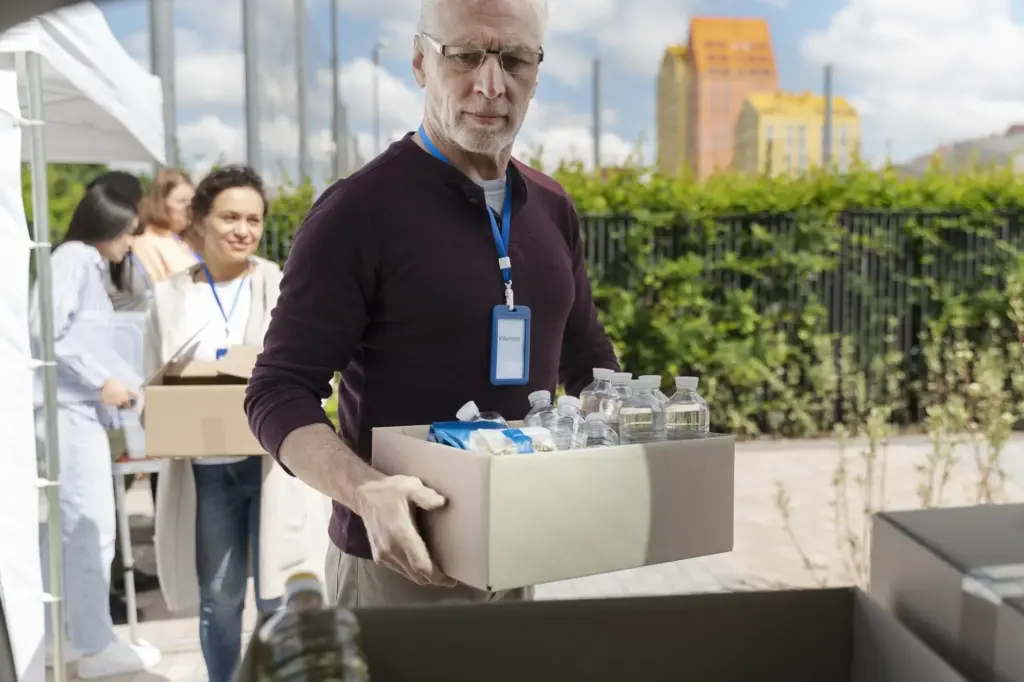
Across the UK, repair cafés, maker spaces, libraries, and Men’s Sheds provide welcoming tables where strangers become teammates. Regulations spark curiosity, but the human energy keeps it alive: a kettle rescued before teatime, a coat mended while stories unfold. These places blend learning, care, and celebration, proving that a practical fix can also mend confidence, reduce isolation, and nurture the belief that small, local actions truly matter and multiply generously.

Economics at the Edge: Costs, Savings, and Local Value
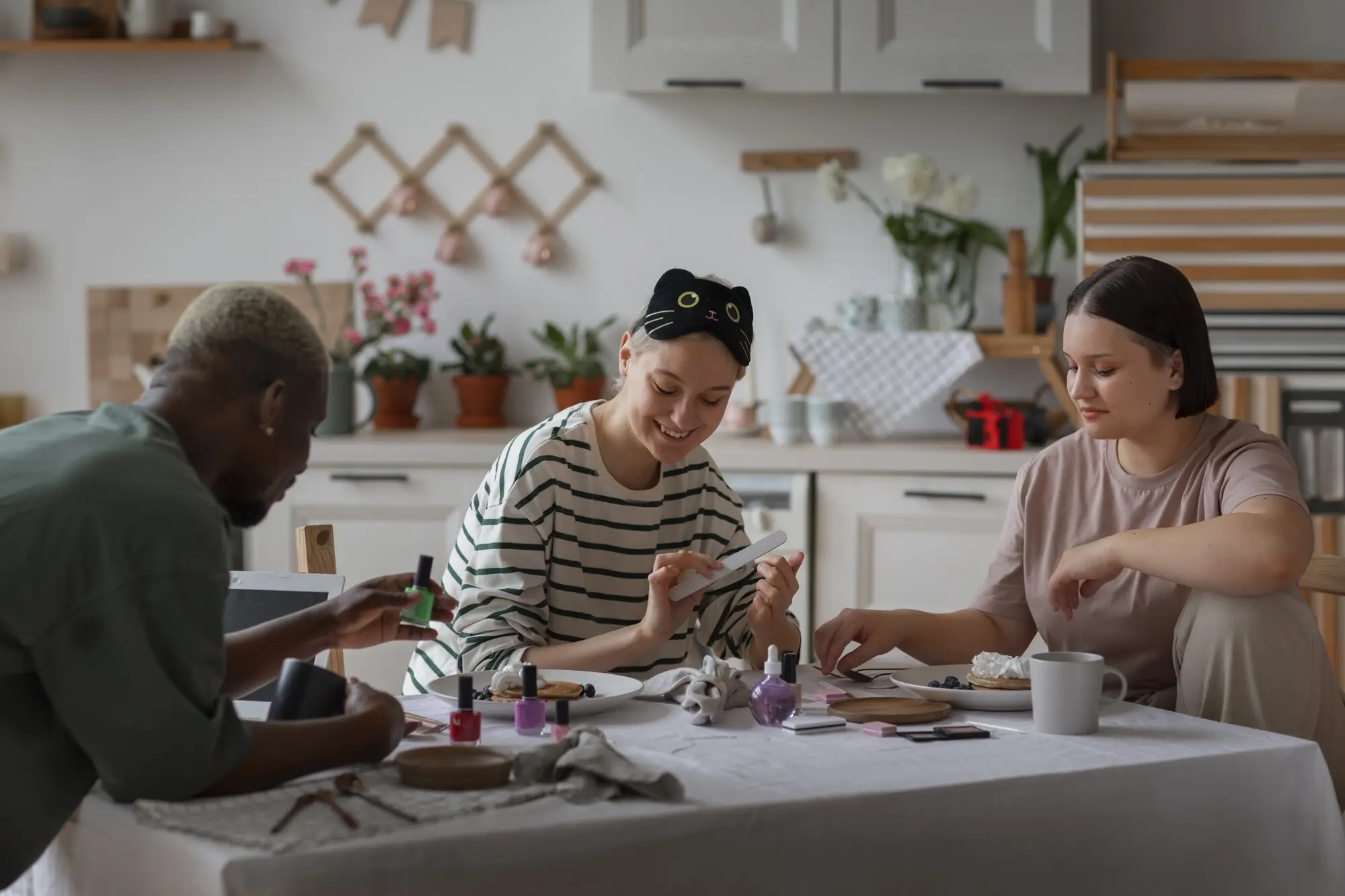
Repair is an economic story told in small numbers that add up: a hinge instead of a new fridge, a belt for a vacuum, a carefully matched laptop charger. Community workshops help households avoid unnecessary purchases while developing local skills ecosystems. Micro-grants, donated tools, and cooperative part orders stretch funds. The result is circular value: money saved, knowledge retained, and neighbourhoods strengthened by shared capacity rather than short-lived consumption that drains pockets and patience.

Planet and People: Measuring the Real-World Impact

Right to Repair aligns climate goals with dignity and inclusion. Each revived appliance avoids embodied carbon, and each coached repair builds personal agency. Community workshops track kilograms diverted from waste, estimated CO2 savings, and participant feedback. They also notice intangible effects: intergenerational friendships, new career interests, and reduced loneliness. By combining hard numbers with heartfelt stories, workshops persuade funders and policymakers that maintenance culture delivers environmental and social dividends simultaneously, humbly and consistently.

Navigating Obstacles: Gaps, Loopholes, and Opportunities

The Professional Repairer Hurdle

Even when parts availability improves, access sometimes requires authorized status, shutting out skilled community volunteers. Workshops respond by building referral lists of independent professionals, co-hosting clinics, and clarifying when escalation is essential. They also document cases where competent noncommercial fixes were blocked unnecessarily, sharing patterns with policymakers. This respectful feedback loop seeks a balance where safety is protected, yet community expertise is recognized, supported, and mobilized for simpler, lower-risk repairs common in everyday households.

Design for Disassembly, Not Disposal

Beyond policy, product choices shape repairability: snap-fits without breakage, standardized screws, modular batteries, and adhesive used sparingly. Volunteers celebrate manufacturers who get this right and share grim tales of glued nightmares. Feedback reaches designers through open letters, student showcases, and local exhibitions. When people see elegant, serviceable products alongside difficult ones, purchasing preferences shift. Market signals join policy in steering design toward longevity, making community repair more achievable, teachable, and safe across many categories.

Advocacy that Moves Needles

Effective advocacy pairs patience with evidence. Workshops collect anonymized stories, quantify outcomes, and remain solutions-focused. They build coalitions with consumer groups, recyclers, and independent technicians, aligning messages around safety, fairness, and environmental responsibility. Short briefings, respectful meetings, and constructive language open doors. Over time, persistence pays: pilot programs emerge, documentation rules refine, and more devices become feasibly repairable. Every conversation anchored in real workshop experience increases credibility, nurturing change without grandstanding or antagonism unnecessarily.

How You Can Help Today

Your involvement strengthens this movement. Start by bringing a device to a local session, or volunteer as a greeter, note-taker, or apprentice fixer. Share spare tools, pledge recurring donations, or host events at workplaces and community halls. Tell policymakers why maintenance matters to your household. Subscribe for updates, submit repair stories, and invite neighbours. Together we can expand practical knowledge, cut waste, and grow a culture where keeping things working feels normal, joyful, and shared.
Virotemitavofexomexo
Privacy Overview

This website uses cookies so that we can provide you with the best user experience possible. Cookie information is stored in your browser and performs functions such as recognising you when you return to our website and helping our team to understand which sections of the website you find most interesting and useful.