Counting What We Save Across the UK

Join a practical, inspiring journey into measuring the environmental impact of community swap and repair events in the UK, where donated jackets find new owners, rescued toasters hum again, and data quietly proves what stories already suggest: together, we cut waste, conserve resources, and reduce emissions. This page focuses on measuring the environmental impact of community swap and repair events in the UK, turning busy halls and cheerful conversations into credible evidence that can win support, inform policy, and grow a thriving culture of reuse.

Start With Purpose, Boundaries, and Honest Questions

Before any spreadsheet opens or clipboard clicks, agree on why measurement matters, who will use the results, and what system you are describing. These decisions anchor every count, estimate, and assumption. Clarity about boundaries, counterfactuals, and intended audiences transforms scattered observations into robust, persuasive evidence that respects community energy while standing up to scrutiny from partners, funders, and policymakers across the UK.

Define Goals and System Scope

Decide whether you are capturing only event-day impacts or considering longer lifetimes for repaired goods, transport to and from venues, and alternative disposal pathways avoided. Agree what counts, what does not, and why. Stating these boundaries upfront prevents confusion later and lets volunteers collect exactly the data needed without unnecessary burdens.

Set Baselines and Counterfactuals

Describe what would likely have happened without the event: purchase of new items, disposal through kerbside collections, or dormant storage in cupboards. These counterfactuals underpin avoided emissions and waste calculations. Choose sources suited to the UK context and document assumptions, so reviewers can understand, reproduce, and, when necessary, challenge your logic transparently and constructively.

Map Stakeholders and Audiences

List who needs results and why: council waste teams, repair hosts, venue partners, regional reuse networks, funders, and local residents. Tailor metrics and language to each group. Connecting numbers to real decisions, from funding applications to venue bookings and volunteer recruitment, ensures measurement efforts amplify community momentum rather than becoming an isolated reporting exercise.

Gathering the Right Data Without Slowing the Buzz

Use lightweight sign-in sheets, colour-coded tags, and a single shared spreadsheet or mobile form that works offline. Train one greeter to assign item categories, and a runner to record weights or counts. Minimising duplication and unclear handovers means less error, faster flow, and happier participants who still feel the event’s warm community spirit.
Capture each item’s category, estimated condition, and whether it is swapped, donated, or repaired. Use reliable scales for textiles and small electronics, and count bulky furniture pieces with standard weight proxies from trusted UK sources. Clear categories unlock consistent embodied carbon factors later, while condition notes support nuanced lifetime extension and avoided purchase assumptions.
Record the fault, parts used, time taken, and the outcome: fully repaired, partially functional, or advised replacement. Ask participants what they would have done otherwise, and whether the fix delays a new purchase. Short, friendly prompts at the repair table produce insights that make impact reports feel grounded in lived experience, not abstract models.

Turning Items and Stories Into Credible Carbon Estimates

Transform event-day records into greenhouse gas and resource savings using transparent, UK-relevant methods. Combine government conversion factors, reputable life cycle references, and conservative assumptions. Document every step so partners can reproduce results. When uncertainties arise, choose ranges, explain limitations, and highlight where better data could sharpen future estimates without diminishing today’s community achievements.

Design Short, Insightful Surveys

Ask two or three essential questions at exit: what was repaired or taken home, what purchase was avoided, and what confidence or skill grew today. Keep it quick and warm. Offer a small thank-you sticker. Brevity respects busy families while supplying robust insights that steer future workshops and strengthen funding proposals.

Collect Stories that Travel

Invite participants to share a thirty-second anecdote about a beloved coat revived or a radio that now plays Saturday breakfast again. With consent, pair photos and quotes in reports. Stories help partners and councillors feel the human value behind the figures, inspiring continued backing and practical support for more events.

Follow Up to See What Stuck

One or two months later, send a friendly email asking if the repaired item still works, what new purchases were avoided, and whether confidence to mend has grown. Even modest response rates reveal durable benefits, letting you show that impact extends well beyond the buzzy energy of event day.

Transparent Reporting That Wins Allies

Explain Methods in Plain English

Open with a short overview of how data was collected, what factors were applied, and which uncertainties matter most. Avoid jargon where possible. Make it easy for a councillor, a librarian, or a local journalist to understand, share, and advocate for your work with confidence and clarity.

Visualise What Matters, Not Everything

Open with a short overview of how data was collected, what factors were applied, and which uncertainties matter most. Avoid jargon where possible. Make it easy for a councillor, a librarian, or a local journalist to understand, share, and advocate for your work with confidence and clarity.

Turn Evidence Into Invitations

Open with a short overview of how data was collected, what factors were applied, and which uncertainties matter most. Avoid jargon where possible. Make it easy for a councillor, a librarian, or a local journalist to understand, share, and advocate for your work with confidence and clarity.

Consistency, Safeguards, and Respect for Privacy
Reliable impact needs repeatable processes and ethical data handling. Standard forms, volunteer training, and simple quality checks keep numbers trustworthy. Collect only what you need, store it safely, and be transparent about consent. Ethical practice protects participants, strengthens credibility, and ensures measurement serves people and planet in equal measure across the UK’s vibrant communities.
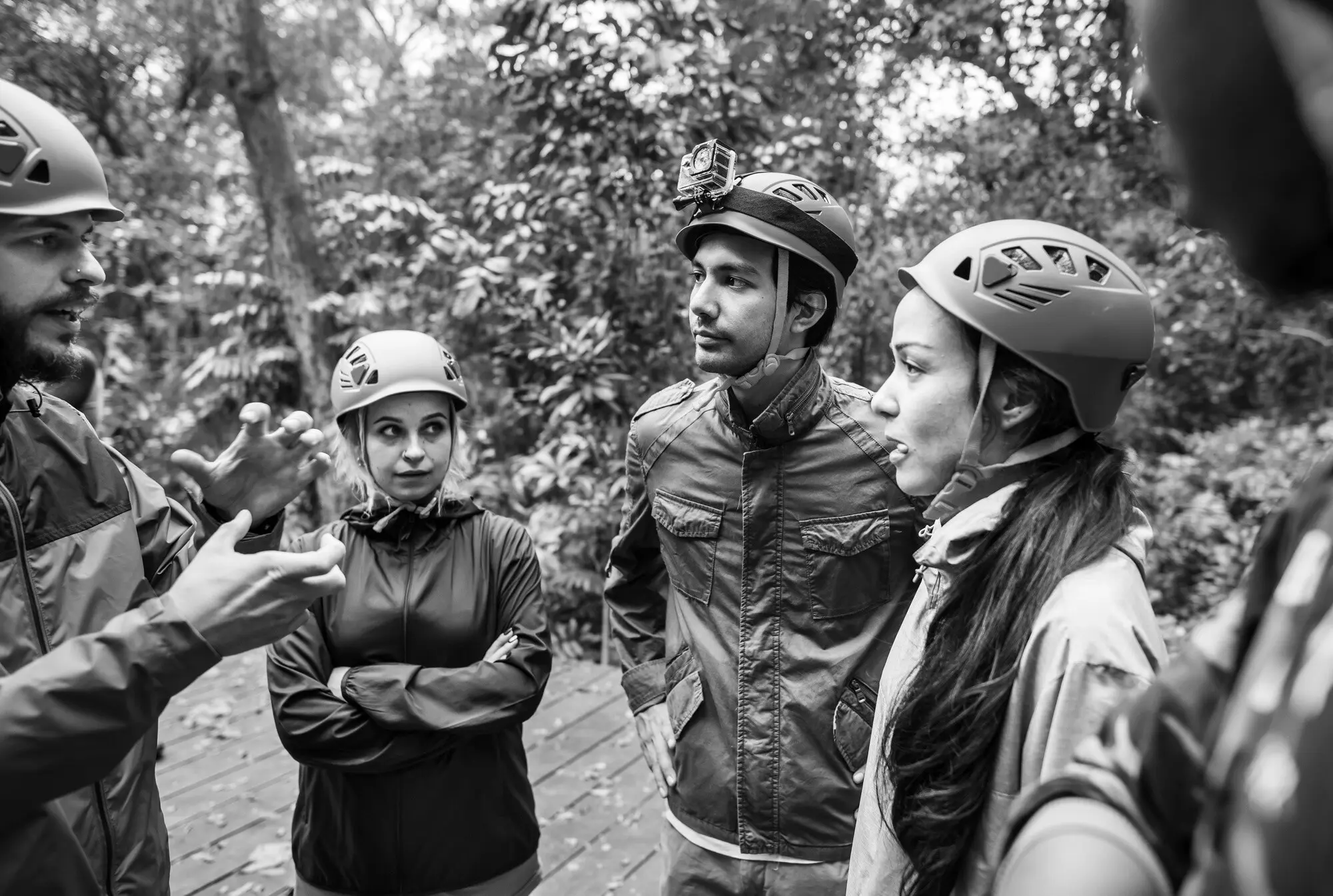
Document roles for greeters, weighers, and recorders; define categories; and rehearse flows before doors open. A short briefing and laminated quick guides dramatically reduce mistakes. When teams rotate between towns, these shared protocols preserve consistency so results can be compared, combined, and celebrated across different venues and seasons.
Assign one volunteer to scan entries hourly, catching odd weights, missing categories, or duplicated items. Gentle, real-time feedback helps teammates learn while the event is still underway. Post-event, a thirty-minute review tightens calculations, ensuring your final numbers fairly represent the collective care shown on the day.
Ask only for essential details, avoid sensitive personal information, and keep raw data secure. Gain permission before sharing quotes or photos. Clear consent forms and simple retention policies protect participants and reassure partners. Ethical handling is not bureaucracy; it is the foundation that lets communities share results proudly and safely.

Scale What Works, Share What You Learn

Growth happens when methods travel easily and communities collaborate generously. Standard templates, open calculators, and peer mentoring let new groups start strong. Regional coordination uncovers patterns that single events cannot see. By publishing lessons learned, you help shape supportive policy and funding, turning small rooms of kindness into a nationwide movement of repair and reuse.

Templates, Checklists, and Open Tools

Offer ready-to-use forms, a simple impact calculator, and a one-page briefing for hosts. When newcomers do not need to reinvent the process, confidence rises and data quality follows. Open, adaptable resources make it easier for libraries, faith halls, and schools to run reliable, welcoming events from week one.

Partnerships With Councils and Universities

Invite local authorities to share anonymised waste data and provide venues, and ask university students to support evaluation. These partnerships deepen rigour and expand reach. Academics gain meaningful field work, councils gain credible outcomes, and communities gain allies who can open doors to spaces, sponsorships, and sustained attention.

Learning Loops and Gentle Experiments

After each event, choose one small change to test: a new signage layout, a category tweak, or an express intake lane. Compare results to your baseline. These modest experiments build a culture of curiosity that steadily strengthens impact without overwhelming volunteers or diluting the friendly atmosphere people cherish.

Virotemitavofexomexo
Privacy Overview

This website uses cookies so that we can provide you with the best user experience possible. Cookie information is stored in your browser and performs functions such as recognising you when you return to our website and helping our team to understand which sections of the website you find most interesting and useful.